
Materia Medica is one of the most important foundations of classical homeopathy. It is the systematic collection of symptoms, characteristics, and therapeutic indications related to each homeopathic remedy.
For homeopaths, it is far more than a simple reference book. It is an essential guide that helps practitioners understand the individual and select the most suitable remedy according to each person’s unique constitution and symptom picture.
If you would like to learn more about classical homeopathy and its philosophy, you can visit
homoeopathy.gr.
What Is Materia Medica?
The term Materia Medica comes from Latin and means “medical material.” In homeopathy, it refers to the complete body of knowledge describing homeopathic remedies and their therapeutic applications.
Each remedy is described according to:
- mental and emotional characteristics,
- physical symptoms,
- modalities,
- individual sensitivities,
- factors that aggravate or relieve symptoms.
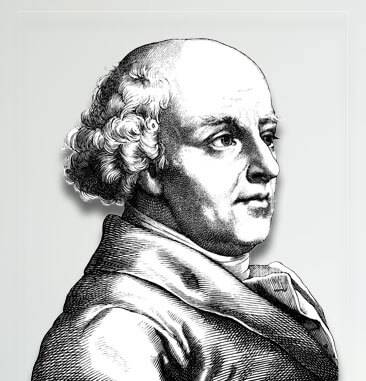
The foundations of this homeopathic literature were created by Samuel Hahnemann, the founder of homeopathy, through the well-known provings process.
Read more about Samuel Hahnemann at
Britannica Encyclopedia.
How Is Materia Medica Used in Classical Homeopathy?
This detailed symptom-based system helps homeopaths identify the remedy that best matches the patient’s overall picture.
In classical homeopathy, two people with the same medical diagnosis may receive completely different remedies because they differ in:
- the way they experience symptoms,
- their emotional makeup,
- their fears and anxieties,
- their reactions to the environment,
- the timing and modalities of their symptoms.
This individualized approach is one of the core principles of homeopathic treatment.
You may also find useful information here:
Homeopathic Treatment
The Main Elements of a Remedy
Each remedy contains a complete description of the patient’s physical, emotional, and constitutional characteristics.
Mental and Emotional Symptoms
These include fears, anxiety, sensitivity, irritability, emotional reactions, and personality traits.
Physical Symptoms
Descriptions may include pain patterns, inflammation, digestive complaints, allergies, neurological symptoms, and other physical conditions.
Modalities
Modalities describe what makes symptoms better or worse.
- Cold or heat
- Movement or rest
- Humidity or dry weather
- Specific times of the day
Aconitum Napellus
Aconitum Napellus is one of the best-known remedies and is commonly used in acute conditions with sudden onset.
Typical characteristics include:
- intense fear,
- panic attacks,
- high fever,
- restlessness,
- symptoms appearing after exposure to cold dry wind.
Patients often feel that something terrible is about to happen or wake up during the night in panic.
Apis Mellifica
Apis Mellifica is closely associated with allergic reactions, inflammation, and swelling.
Common symptoms include:
- swelling,
- redness,
- burning sensations,
- worsening from heat,
- relief from cold applications.
This remedy is widely used in homeopathic approaches to inflammatory and allergic conditions.
Argentum Nitricum
Argentum Nitricum is strongly linked to anxiety and impulsiveness.
- fear of exams,
- nervousness,
- anticipatory anxiety,
- diarrhea caused by stress,
- restlessness before important events.
People needing this remedy often feel rushed and struggle to relax.
Allium Cepa
Allium Cepa is frequently used for allergic rhinitis and seasonal allergies.
Typical symptoms include:
- watery nasal discharge,
- tearing eyes,
- burning eye irritation,
- sneezing,
- worsening in warm rooms.
Its symptom picture closely resembles the effects produced by cutting onions.
Alumina
Alumina is well known for its action in cases involving dryness and chronic constipation.
- dry skin,
- dry mucous membranes,
- sluggish bowel function,
- neurological weakness,
- constipation without urge.
The Difference Between Materia Medica and Repertory
Many beginners confuse Materia Medica with the Repertory, but they serve different purposes.
Materia Medica provides detailed descriptions of remedies and their complete symptom pictures, while the Repertory functions as a symptom index that helps practitioners search for possible remedies.
Both tools are essential and work together in daily homeopathic practice.
The Importance of Homeopathic Remedies Today
Although homeopathy continues to evolve, classical remedy literature remains a central part of education and clinical application.
Today it is used:
- in homeopathic education,
- for case analysis,
- within repertorization software,
- in everyday clinical practice.
For scientific publications and medical databases, you can visit
PubMed.
Frequently Asked Questions
What does Materia Medica mean?
The term means “medical material” and refers to the collection of knowledge about homeopathic remedies.
Who created Materia Medica?
Samuel Hahnemann established its foundation through provings and clinical observations.
How is the correct remedy selected?
The remedy is selected according to the patient’s complete physical, emotional, and constitutional picture.
What is the difference between Materia Medica and Repertory?
Materia Medica describes remedies in detail, while the Repertory organizes symptoms to help identify possible remedies.
Is Materia Medica still used today?
Yes, it remains one of the most important tools in classical homeopathy.
Conclusion
Materia Medica remains one of the most valuable foundations of homeopathic knowledge. Through the study of remedies and constitutional patterns, it supports a highly individualized therapeutic approach.
Understanding remedies deeply requires study, observation, and clinical experience, which is why this body of knowledge continues to hold great importance in modern homeopathy.
You can find more articles and information at
homoeopathy.gr.