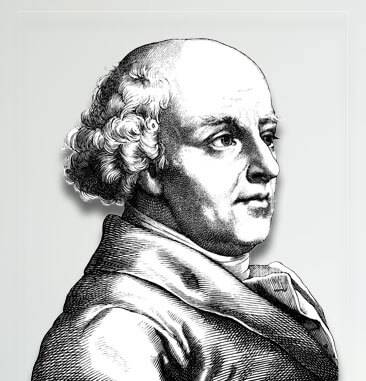

Homeopathy is a complementary wellness system developed in 1796 by the German physician Samuel Hahnemann. The word homeopathy comes from the Greek words “homoios” (similar) and “pathos” (suffering), reflecting the principle commonly summarized as “like cures like.”
According to traditional homeopathic theory, substances capable of producing symptoms in healthy individuals may, when specially prepared in very small doses, be used to support individuals experiencing similar symptoms. More information about homeopathic and holistic wellness approaches can be found at homoeopathy.gr.
What Is Homeopathy Based On?
The basic principles of homeopathy were developed by Samuel Hahnemann during the late 18th century.
Traditional homeopathic practice is based on concepts such as:
- The Law of Similars
- Individualized remedy selection
- Minimum dose principle
- Holistic evaluation of the individual
- Vital force theory
Homeopathic practitioners traditionally evaluate the complete physical, emotional, and mental symptom picture of the individual rather than focusing solely on a diagnosis.
The Law of Similars
The central principle of classical homeopathy is commonly expressed as “like cures like.”
According to this theory, a substance capable of producing symptoms in a healthy person may be selected in highly diluted form for individuals experiencing similar symptom patterns.
Examples traditionally referenced include:
- Onion (Allium Cepa) for watery eyes and nasal irritation
- Coffee (Coffea) for sleeplessness and overstimulation
- Arnica Montana for bruising and trauma
How Homeopathic Remedies Are Prepared
Homeopathic remedies are traditionally prepared through repeated dilution and succussion, a process involving vigorous shaking between dilution stages.
Common preparation methods include:
- Dilution in water or alcohol
- Repeated shaking or succussion
- Preparation in different potencies
Popular potency scales include:
- 6CH
- 30CH
- 200CH
- LM potencies
Homeopathic remedies may be prepared from:
- Plants
- Minerals
- Animal-derived substances
- Biological materials
Samuel Hahnemann and Classical Homeopathy
Samuel Hahnemann (1755–1843) was dissatisfied with many conventional medical practices of his era, which often included:
- Bloodletting
- Purging
- Heavy metal treatments
- Complex medicinal mixtures
He proposed a gentler and more individualized approach focused on single remedies and minimal doses.
Hahnemann also introduced the concept of “miasms,” which he considered underlying predispositions associated with chronic disease patterns.
Classical Homeopathy
Classical homeopathy traditionally involves selecting one remedy that best matches the overall symptom picture of the individual.
This methodology often includes:
- Detailed case-taking
- Emotional assessment
- Mental symptom evaluation
- Physical symptom analysis
- Lifestyle considerations
Practitioners may allow time for observation before considering additional remedies.
Materia Medica and Repertories
Homeopathic practitioners traditionally use two important reference systems:
Materia Medica
Materia Medica describes the traditional symptom pictures associated with homeopathic remedies.
Repertories
Repertories are symptom indexes used to help identify remedies matching the individual’s symptom profile.
These systems are used together during remedy selection.
Different Homeopathic Approaches
Over time, several homeopathic methodologies have developed, including:
- Classical homeopathy
- Constitutional prescribing
- Isopathy
- Pluralistic homeopathy
- Complex homeopathy
- Group analysis
Each approach applies different strategies for selecting remedies and evaluating symptom patterns.
Modern Scientific Perspectives on Homeopathy
Homeopathy remains a controversial subject within modern scientific and medical communities.
Many scientific organizations and systematic reviews report that current clinical evidence does not demonstrate effectiveness beyond placebo for most conditions.
Organizations such as the National Center for Complementary and Integrative Health and the World Health Organization emphasize that homeopathy should not replace conventional medical treatment, especially for serious illnesses.
Homeopathy Around the World
Homeopathy continues to be practiced in many countries worldwide and remains legally recognized in several European nations.
Some countries where homeopathy has historically maintained legal recognition or regulation include:
- Germany
- Belgium
- Portugal
- Romania
- United Kingdom
Its popularity varies depending on cultural, historical, and healthcare traditions.
Homeopathy and Holistic Wellness
Many individuals interested in homeopathy also explore broader holistic wellness practices such as:
- Nutritional support
- Stress management
- Meditation
- Bioresonance systems
- Lifestyle optimization
Holistic approaches generally emphasize the relationship between emotional well-being, physical balance, and lifestyle habits.
Conclusion
Homeopathy is a historical complementary wellness system developed by Samuel Hahnemann more than two centuries ago. It is based on individualized remedy selection, the Law of Similars, and the use of specially prepared remedies.
While homeopathy continues to be widely used in holistic wellness traditions, scientific debate regarding its mechanisms and clinical effectiveness remains ongoing.
Homeopathic approaches should not replace professional medical diagnosis, emergency care, or evidence-based treatment when needed.
Frequently Asked Questions
What is homeopathy?
Homeopathy is a complementary wellness system developed by Samuel Hahnemann based on the principle of “like cures like.”
Who invented homeopathy?
Homeopathy was developed by German physician Samuel Hahnemann in 1796.
What are homeopathic remedies?
Homeopathic remedies are specially prepared substances traditionally used in homeopathic practice.
What is classical homeopathy?
Classical homeopathy focuses on individualized remedy selection using one primary remedy at a time.
What is the Law of Similars?
It is the principle that substances producing symptoms in healthy individuals may be selected for similar symptom patterns.
What is Materia Medica?
Materia Medica is a reference system describing traditional remedy symptom profiles.
Is homeopathy scientifically controversial?
Yes. Many scientific organizations report insufficient evidence supporting homeopathic effectiveness beyond placebo.
Can homeopathy replace medical treatment?
No. Homeopathy should not replace professional medical care or emergency treatment.