Ovarian Cysts are fluid-filled sacs or pockets that develop inside or on the surface of an ovary. They are very common during the reproductive years and many women experience ovarian cysts at some point in their lives.
Most ovarian cysts are harmless and disappear naturally without treatment within a few months. However, some cysts may cause pelvic discomfort, abdominal pressure, menstrual irregularities, or more serious complications that require medical evaluation.
Understanding the symptoms, causes, and possible complications of ovarian cysts can help women recognize when medical attention may be necessary.
What Are Ovarian Cysts?
Ovarian cysts are sac-like structures filled with fluid that form in or around the ovaries. Women have two ovaries located on each side of the uterus. The ovaries are responsible for producing eggs and female hormones such as estrogen and progesterone.
During the menstrual cycle, eggs mature inside structures called follicles. In many cases, ovarian cysts develop as part of this normal reproductive process.
Functional Ovarian Cysts
Functional ovarian cysts are the most common type and are related to the normal menstrual cycle.
Follicular Cyst
A follicular cyst develops when the follicle fails to rupture and release the egg during ovulation. Instead, the follicle continues growing and becomes a cyst.
Corpus Luteum Cyst
After ovulation, the ruptured follicle becomes the corpus luteum, which produces hormones that support possible pregnancy. Sometimes the opening seals off and fluid accumulates inside, creating a corpus luteum cyst.
Functional cysts are usually harmless and often disappear naturally within two or three menstrual cycles.
Other Types of Ovarian Cysts
Some ovarian cysts are unrelated to the menstrual cycle and may require additional monitoring.
Dermoid Cysts
Dermoid cysts may contain tissues such as hair, skin, or teeth because they originate from reproductive cells. These cysts are usually noncancerous.
Cystadenomas
Cystadenomas develop from ovarian tissue and may contain watery or mucous material.
Endometriomas
Endometriomas are associated with endometriosis, a condition in which tissue similar to the uterine lining grows outside the uterus and may attach to the ovaries.
Symptoms of Ovarian Cysts
Many ovarian cysts cause no symptoms at all. However, larger cysts or complicated cysts may cause noticeable discomfort and pelvic symptoms.
Possible symptoms of ovarian cysts include:
- Pelvic pain
- Lower abdominal discomfort
- Pain radiating to the lower back or thighs
- Pain during menstruation
- Pain during sexual intercourse
- Frequent urination
- Abdominal bloating or heaviness
- Nausea or vomiting
- Breast tenderness
Women experiencing sudden severe pelvic pain or worsening symptoms should seek immediate medical evaluation.
Possible Complications
Although most ovarian cysts are harmless, certain complications may occur in some cases.
Ovarian Torsion
Large cysts may cause the ovary to twist around its supporting tissues. This painful condition is known as ovarian torsion and may require urgent medical treatment.
Ruptured Ovarian Cyst
A ruptured ovarian cyst may lead to severe pain and internal bleeding. The severity depends on the size and type of the cyst.
Risk Factors for Ovarian Cysts
Several factors may increase the likelihood of developing ovarian cysts, including:
- Hormonal imbalances
- Pregnancy
- Endometriosis
- Pelvic infections
- Previous ovarian cysts
- Fertility medications
Regular gynecological examinations are important for monitoring ovarian health and identifying possible abnormalities early.
Homeopathy for Ovarian Cysts
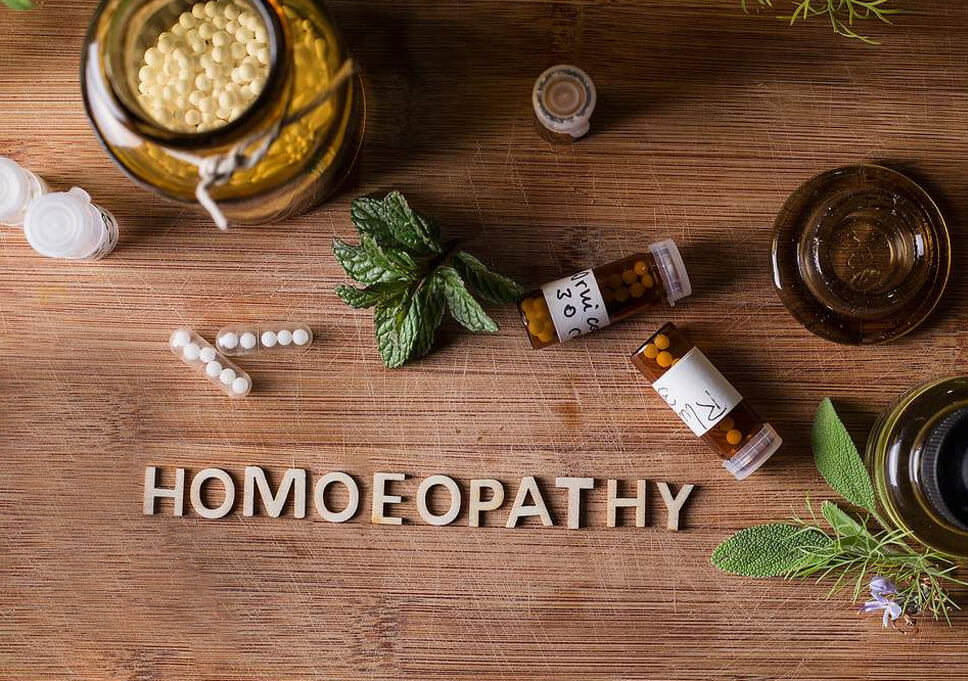
Homeopathy for Ovarian Cysts is sometimes used within holistic wellness approaches aimed at supporting the body’s natural balance and overall wellbeing.
Homeopathy is individualized, meaning remedies are selected according to the person’s overall physical, emotional, and functional characteristics rather than focusing only on isolated symptoms.
You can also explore holistic wellness approaches through the
Homeopathy
and
Bio Resonance and Holistic Health
pages.
Traditional Homeopathic Remedies
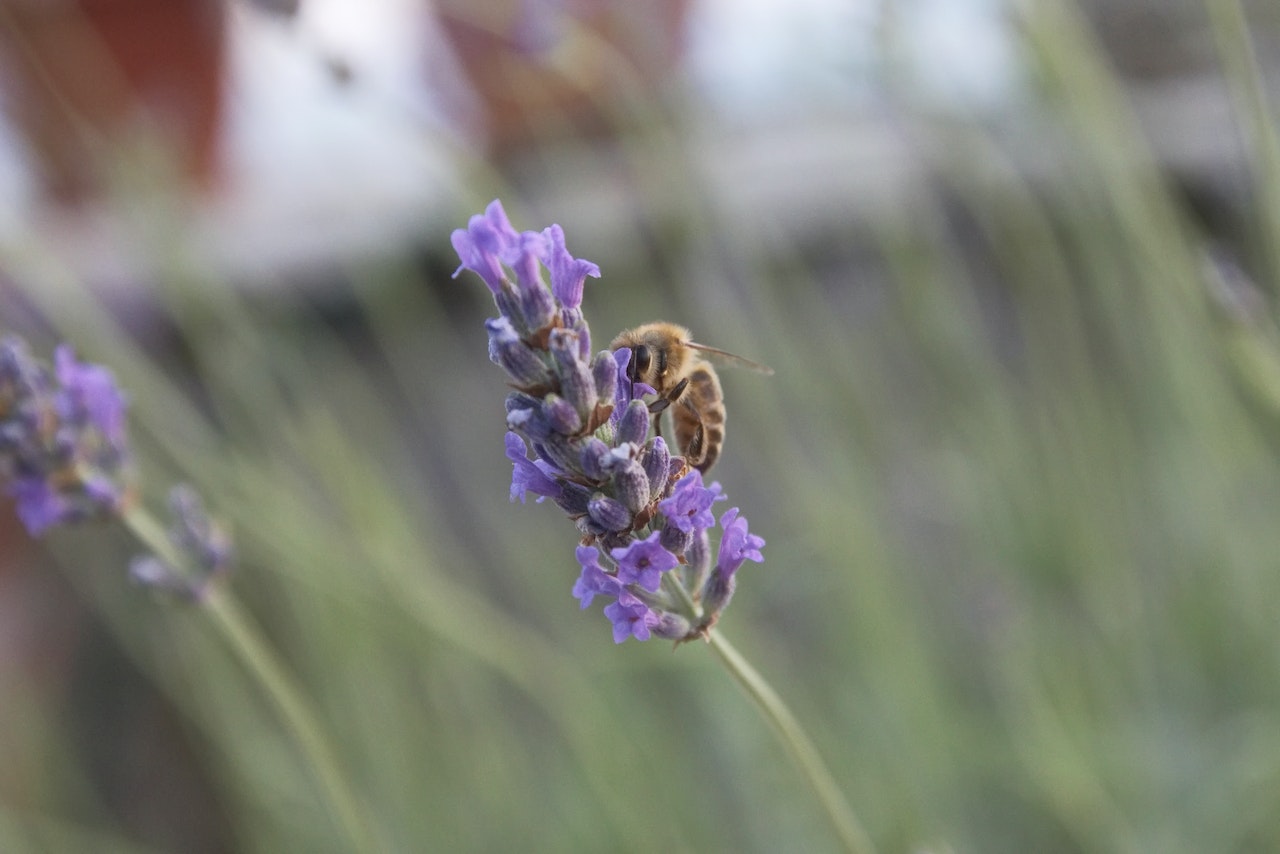
Apis Mellifica
Traditionally associated with right-sided ovarian discomfort involving burning or stinging sensations.
Lachesis
Often linked with left-sided ovarian discomfort and sensitivity around the waist area.
Thuja Occidentalis
Traditionally considered for irregular menstrual cycles and left ovarian symptoms.
Colocynthis
Associated with cramping pelvic pain relieved by bending forward or applying pressure.
Lycopodium Clavatum
Traditionally connected with right ovarian discomfort, bloating, digestive issues, and abdominal fullness.
Holistic Wellness and Energetic Approaches
Some practitioners combine homeopathy with holistic wellness approaches such as bioresonance and energetic evaluation systems.
You can learn more about the
e-Lybra Bio Resonance System.
These wellness-oriented methods aim to support individualized evaluation and overall functional balance.
Conclusion
Ovarian Cysts are very common and in most cases are harmless. However, persistent pelvic pain, large cysts, sudden severe symptoms, or postmenopausal ovarian masses should always be evaluated by a healthcare professional.
Complementary approaches such as homeopathy are sometimes used alongside conventional medical care as part of individualized wellness support and holistic health perspectives.
Frequently Asked Questions
What are ovarian cysts?
Ovarian cysts are fluid-filled sacs that develop inside or on the surface of the ovaries.
Are ovarian cysts dangerous?
Most ovarian cysts are harmless, but some may cause complications or require medical monitoring.
What are common symptoms of ovarian cysts?
Common symptoms include pelvic pain, bloating, abdominal pressure, menstrual discomfort, and frequent urination.
Can ovarian cysts disappear naturally?
Yes. Many functional ovarian cysts resolve on their own within a few menstrual cycles.
What is ovarian torsion?
Ovarian torsion occurs when the ovary twists around its supporting tissues, causing severe pain and requiring urgent care.
What is homeopathy for ovarian cysts?
Homeopathy is a holistic wellness approach that uses individualized remedies based on the person’s overall condition.
Can homeopathy replace medical treatment?
No. Homeopathy should not replace professional medical diagnosis, monitoring, or treatment.
Where can I learn more about ovarian cysts?
Additional medical information about ovarian cysts is available through the Mayo Clinic and the NHS