Understanding Homeopathic Remedies: Indications and Dosage
When exploring alternative and complementary medicine, one of the most frequent inquiries revolves around how medication guidelines apply to holistic treatments. In classical homeopathy, the same remedy may be used for completely different conditions, such as digestive disorders or chronic insomnia. Conversely, the exact same condition, such as the common cold, may be treated with entirely different remedies depending on the individual patient’s unique physical and emotional profile.
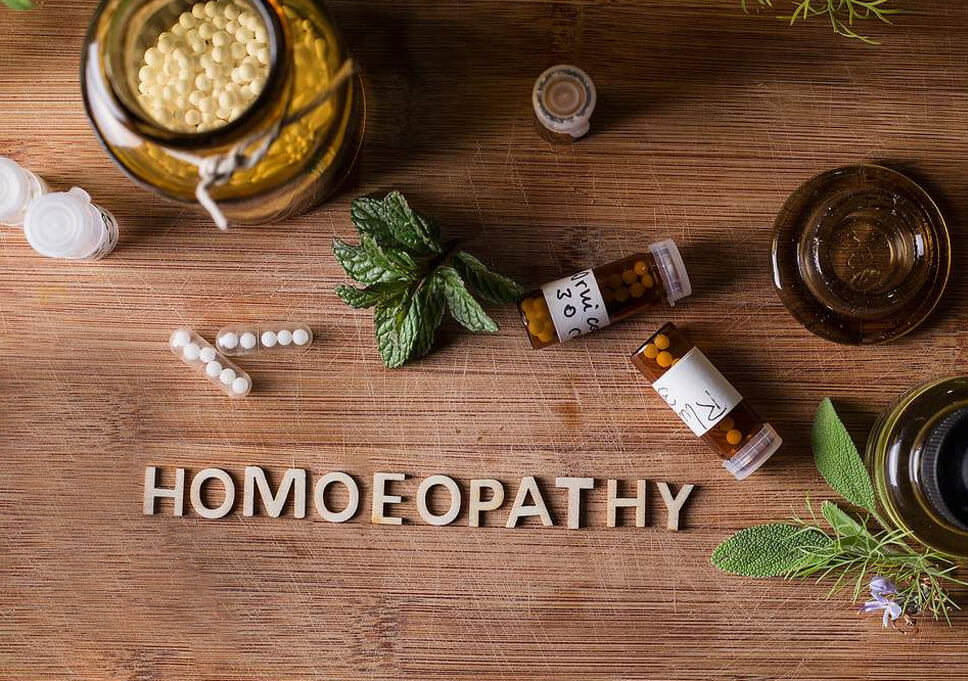
Because of this highly individualized nature, it is the exclusive responsibility of a qualified healthcare professional to determine which remedy should be used and how it should be administered. Standardized commercial labels rarely carry specific diseases on them because the selection depends heavily on the person, not just the symptom. These homeopathic remedies are commonly available in small pellet tubes or liquid dilution forms and are universally identified by their traditional Latin names.
How Should I Properly Take a Homeopathic Remedy?
To maximize the potential absorption and efficacy of your prescribed treatment, proper administration is key. Generally, homeopathic remedies are strictly recommended to be taken away from meals—typically at least 15 to 30 minutes before or after eating—and always with a completely clean mouth. This means avoiding strong flavors like mint, coffee, or tobacco immediately before taking them, as these substances can interfere with the subtle action of the remedy.
For standard pellet tubes, a typical single dose usually consists of 5–7 pellets placed directly under the tongue to dissolve. The contents of a prescribed dose should be taken entirely in a single intake. Unlike conventional medicine, where dosages scale up based on the user’s age or body weight, homeopathic quantities remain completely independent of these factors. In this therapeutic field, what matters most is the frequency of administration rather than the volume or quantity of the substance consumed at one time.
What Conditions May Be Approached with Homeopathic Treatment?
Over its long history, homeopathy has traditionally been utilized to support the body’s natural healing mechanisms across a vast spectrum of acute and chronic health issues. Practitioners frequently apply these methodologies to manage digestive, circulatory, respiratory, urinary, muscular, and arthritic conditions. Furthermore, it is widely sought after for gynecological support, nervous system balance, emotional regulation, infectious illnesses, and various skin-related disorders.
By focusing on the holistic connection between mind and body, a tailored homeopathic treatment aims to stimulate the body’s vital force. Rather than merely suppressing localized symptoms, it encourages a comprehensive return to systemic equilibrium. For a deeper understanding of global standards, research, and educational insights regarding these practices, you can explore the resources provided by the National Center for Homeopathy.
Homeopathy for Children and Infants: Safety and Vitality
Pediatric care is one of the fastest-growing sectors for complementary medicine, leading many parents to ask if these methods are suitable for the youngest members of their families.
Are Young Children and Infants Highly Responsive?
Yes, children and infants are commonly considered excellent candidates for holistic approaches. Many experienced practitioners note that younger demographics are often highly responsive to these subtle therapies. This rapid and positive response is generally attributed to their strong, vibrant, and relatively unaffected vital energy, which has not yet been subjected to decades of environmental toxins or chronic lifestyle stressors.
How Can I Give a Homeopathic Remedy to My Baby Safely?
Administering hard pellets to an infant can pose a choking hazard, but the solution is simple. Homeopathic remedies may be easily dissolved in a small amount of purified water inside a clean glass or a standard baby bottle without applying any heat. It is highly recommended to prepare a fresh liquid solution daily to ensure purity. Interestingly, the standard dosage for a child is generally considered identical to that of an adult, as the therapeutic stimulus relies on quality and frequency rather than physical mass.
Can Regular Use of Homeopathic Pellets Cause Tooth Decay?
Because traditional pellets are manufactured using small quantities of sugars (typically sucrose or lactose) as a base vehicle, dental health is a valid question for parents. However, these pellets are used in very small quantities and dissolve quickly without sticking to the enamel like sticky candies do. While the risk of tooth decay from these tiny amounts is considered minimal, parents who have specific concerns regarding sugar exposure should consult their pediatric dentist for personalized advice.
Addressing Pregnancy, Veterinary Care, and Hygiene
Safety boundaries are a top priority when dealing with vulnerable populations, developing embryos, or domestic animals.
Can Pregnant Women Follow Homeopathic Treatment Safely?
Pregnancy limits many conventional medicinal options due to potential fetal toxicity. Fortunately, ultra-diluted homeopathic remedies are traditionally considered free from chemical toxicity, severe contraindications, dangerous interactions with conventional medications, and dose-related side effects. For this reason, gentle holistic support is often safely utilized throughout pregnancy to manage morning sickness, fatigue, and emotional changes, always under professional clinical guidance.
Can Animals and Livestock Benefit from Homeopathy?
For more than 150 years, these remedies have been successfully integrated into the care of domestic pets, farm animals, and elite athletic animals such as professional racehorses. A growing number of agricultural breeders actively choose veterinary homeopathy because it leaves absolutely no chemical residues in the animal’s body or milk. This is an incredibly important factor in meeting strict organic farming standards. It offers effective physiological support without inducing toxic side effects, internal organ strain, or physical dependency.
Should I Avoid Touching the Remedy with My Fingers?
As a basic rule of hygiene and product integrity, it is highly preferable to avoid touching individual pellets directly with your fingers. The delicate active layers on the outer surface of the pellets can inadvertently be rubbed off or contaminated by oils and moisture on your skin. Most modern tubes are cleverly designed with a twisting cap mechanism that allows you to dispense the exact number of pellets directly into the lid and straight into the mouth without any physical contact.
Homeopathic Approaches for Children’s Development and Wellness
When it comes to specialized pediatric development, behavioral challenges, and modern preventative health, it is essential to clarify what complementary medicine can and cannot achieve.
Can Homeopathy Replace Conventional Vaccination?
No, a homeopathy for children protocol cannot replace conventional immunization schedules. Immunization, as defined in conventional medical science, explicitly requires the introduction of an antigen to trigger the biological production of specific antibodies. Homeopathic philosophy operates on different physiological pathways. However, preventive holistic approaches are frequently utilized alongside standard care to build up general constitutional immunity, effectively helping to reduce the frequency of recurrent childhood conditions like upper respiratory tract infections.
Can Homeopathy Support Healthy Weight Loss and Management?
Weight management is a complex journey that involves more than just counting calories. Homeopathy can provide valuable supportive care in cases where overeating or unhealthy dietary behaviors are closely linked to emotional trauma, anxiety, or deep-seated psychological factors. When combined with structured dietary changes and active lifestyle habits, an individualized plan can contribute to better emotional stability, reduced cravings, and improved digestive comfort during the weight management process.
When addressing weight concerns in infants and toddlers, excessive weight is almost always related to external overfeeding habits and cultural perceptions rather than underlying medical causes. Culturally, some families still equate a heavier baby with good health, but overfeeding can disrupt early metabolic programming. Establishing balanced nutritional habits early in life is vital for long-term childhood wellness.
Can Homeopathy Help Resolve Deep Emotional Trauma?
Mental and emotional well-being are core pillars of holistic health. Homeopathy is frequently sought out as a gentle, non-invasive option for emotional support following grief, fright, or developmental stress. Some modern practitioners combine these traditional remedies with advanced bioresonance technologies, such as the e-Lybra system. This system evaluates energetic patterns and subconscious emotional imbalances, giving clues about restrictive beliefs that might be influencing a patient’s behavioral choices and physical vitality.
What Is the Holistic Perspective on Autism Spectrum Disorders?
Autism spectrum disorders and neurodevelopmental challenges present multi-faceted, lifelong realities for families and social structures. While homeopathy does not claim to alter underlying genetic blueprints, many practitioners and families report meaningful, supportive improvements in a child’s overall quality of life. Tailored natural protocols often help improve behavioral balance, reduce sensory overstimulation, support healthier sleep patterns, and enhance gut comfort in children diagnosed with autism spectrum disorders or Down syndrome.