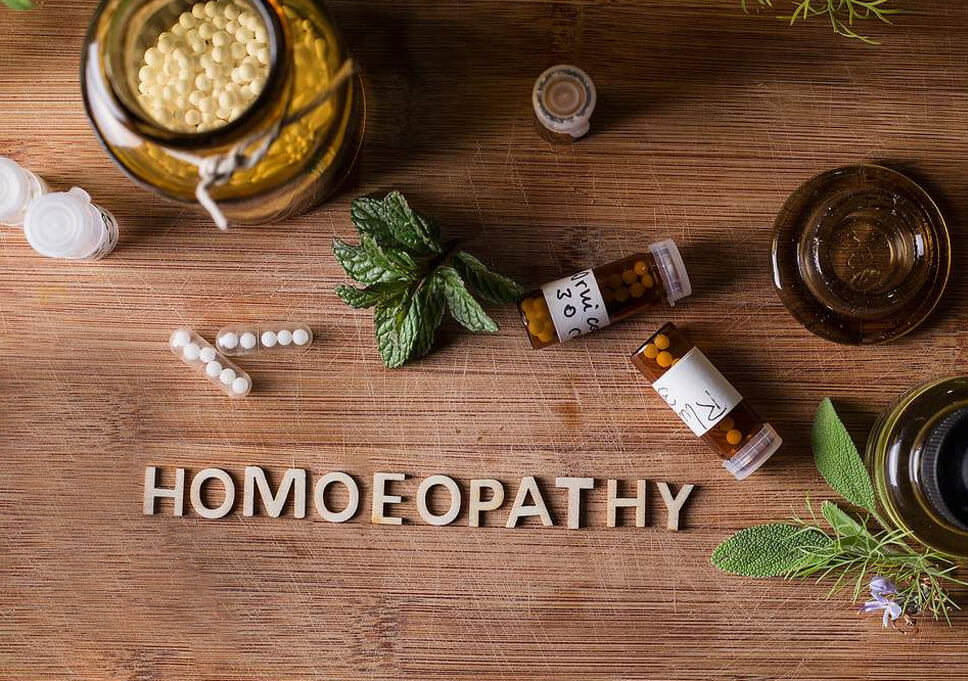

Tissue Salts are mineral-based biochemical compounds considered essential for the structure, balance, and functional activity of the human organism. These inorganic compounds contain trace minerals such as calcium, magnesium, potassium, sodium, iron, phosphorus, selenium, zinc, and many others that naturally exist within body tissues.
Within homeopathy and holistic wellness philosophy, tissue salts are associated with supporting the body’s natural functional balance and biochemical harmony through simplified mineral-based approaches.
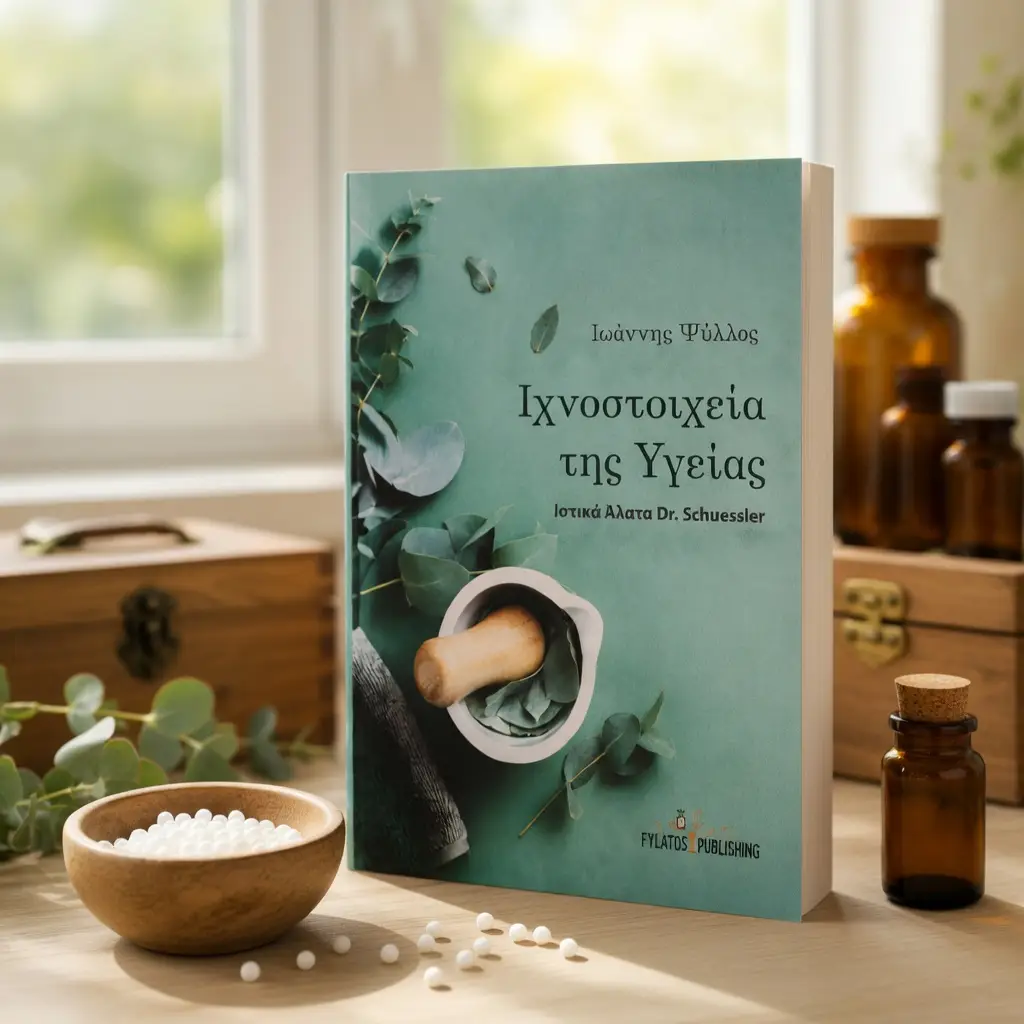
What Are Tissue Salts?
Tissue salts are inorganic mineral compounds found naturally in foods of both plant and animal origin, including vegetables, dairy products, eggs, legumes, and meat. According to biochemical theory, these mineral elements contribute to cellular processes and tissue structure throughout the organism.
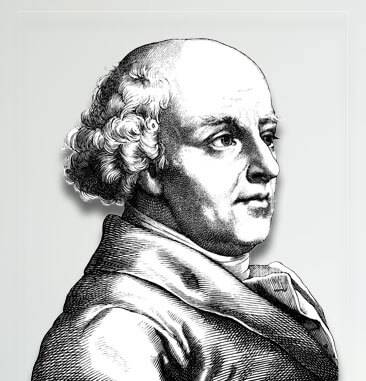
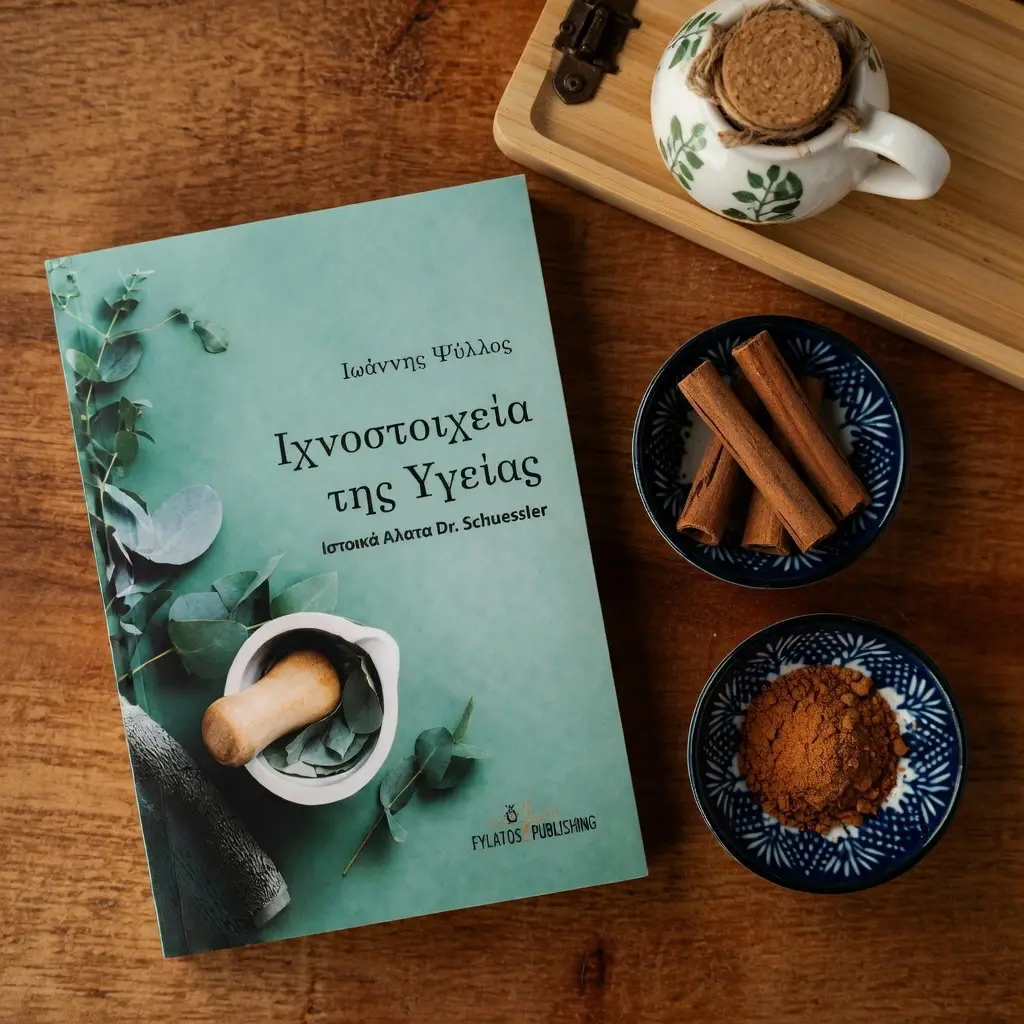
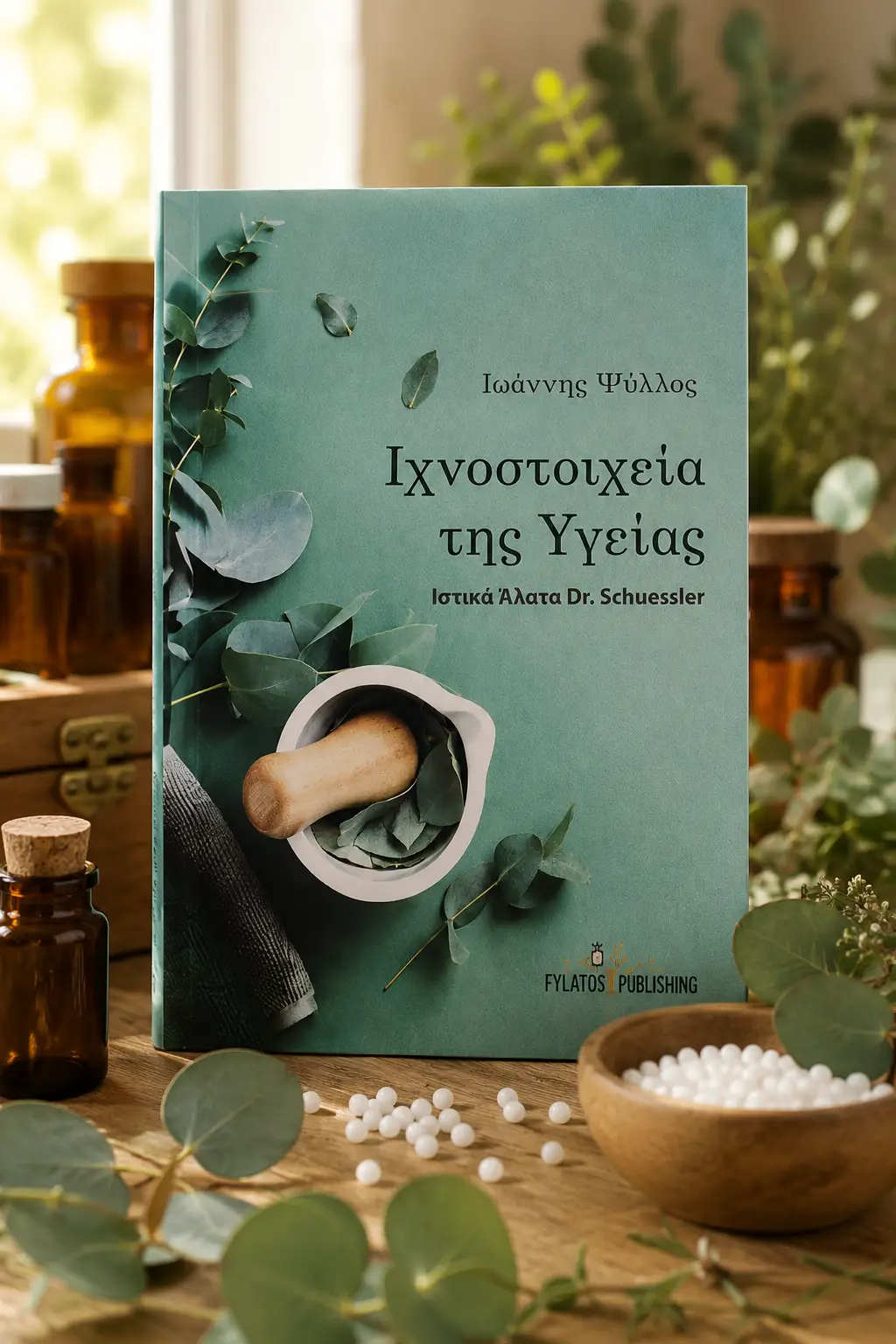
The concept of tissue salts became widely known through the work of Dr. Wilhelm Schuessler, who developed a simplified therapeutic approach based on essential mineral compounds.
Dr. Wilhelm Schuessler and the Development of Tissue Salts
Dr. Wilhelm Schuessler (1821–1898) from Germany is recognized as the founder of the Tissue Salt system. His research focused on simplifying the large number of homeopathic remedies used during his time by concentrating on a smaller group of essential biochemical compounds.
Schuessler believed that disturbances in mineral balance could influence the body’s functional harmony. His work later became internationally associated with the field of biochemistry and mineral-based therapeutic approaches.
The Role of Biochemistry in Tissue Salts
Biochemistry studies the chemical processes and substances involved in living organisms. Dr. Schuessler’s approach connected biological functions with the importance of mineral balance inside body tissues.
According to this perspective, tissue salts represent structural and functional components naturally present within the organism and involved in multiple physiological processes.
Tissue Salts and Homeopathic Philosophy
Within homeopathy, tissue salts are often viewed as part of a broader holistic philosophy focused on individualized wellness and functional balance. The approach emphasizes understanding the organism as a whole rather than focusing only on isolated symptoms.
One of the reasons tissue salts became popular is their simplified system and the ability to combine different mineral compounds according to individualized wellness-oriented perspectives.
The Doctrine of Signatures
Historical healing systems also influenced the evolution of tissue salt philosophy. One well-known concept is the “Doctrine of Signatures,” which suggested that natural substances may reveal characteristics connected to their traditional applications.
For example, the Euphrasia flower resembles the human eye and has traditionally been associated with eye-related applications in herbal and homeopathic traditions.
Educational Seminars and Tissue Salt Training
Educational seminars on tissue salts may include topics such as:
- Psychological and emotional profiles of remedies
- Clinical wellness-oriented applications
- Connections with Traditional Chinese Medicine meridians
- Energetic and metaphysical concepts
- Holistic wellness philosophy
- Individualized biochemical approaches
Participants may also receive presentations, recorded sessions, educational notes, and detailed study material for future reference.

Conclusion
Tissue Salts continue to represent an important part of holistic wellness education and homeopathic philosophy. Dr. Schuessler’s biochemical theories influenced generations of practitioners interested in mineral balance, individualized approaches, and functional wellbeing concepts.
Today, tissue salts remain widely discussed in educational seminars, holistic wellness literature, and complementary health philosophies related to biochemical balance and holistic observation.
Frequently Asked Questions
What are Tissue Salts?
Tissue Salts are mineral-based biochemical compounds believed to support cellular and tissue balance within the body.
Who developed the Tissue Salt system?
The Tissue Salt system was developed by Dr. Wilhelm Schuessler, a German physician from the 19th century.
How are Tissue Salts different from classical homeopathy?
Tissue Salts focus mainly on essential mineral compounds and use a simplified biochemical system compared to broader classical homeopathy approaches.
What is the role of biochemistry in Tissue Salts?
Biochemistry studies the chemical processes within living organisms and forms the theoretical basis of the Tissue Salt philosophy.
Can Tissue Salts be combined?
Yes, one of the commonly discussed advantages of Tissue Salts is that they are often used in combinations.
What is the Doctrine of Signatures?
It is a historical healing theory suggesting that the characteristics or appearance of natural substances may indicate their traditional applications.
What may educational Tissue Salt seminars include?
Seminars may include educational presentations, recorded material, psychological profiles of remedies, and holistic wellness concepts.
Why are Tissue Salts associated with holistic wellness?
They are commonly connected with holistic wellness approaches because they focus on mineral balance, individualized evaluation, and functional harmony.
Learn more about homeopathy and complementary wellness approaches at
NCCIH – Homeopathy Overview